
Complete wastewater treatment for pork processing — screening, DAF and biological treatment that handle blood, fat and high organic loads to meet consent.
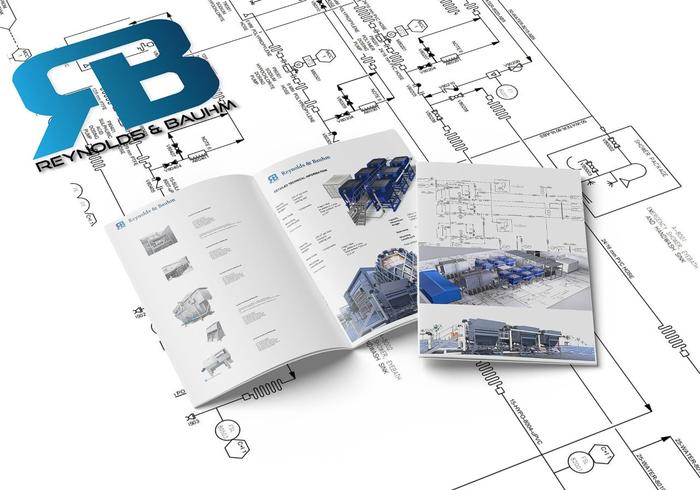
A major pork processing facility required a comprehensive wastewater treatment system to handle the high organic loads, blood, fats, and solids generated during slaughtering and processing operations. The system needed to ensure compliance with strict discharge regulations while maintaining operational efficiency.
Rotary drum screens and static curved screens for effective removal of solids, hair, and coarse materials.
Dissolved air flotation system for efficient removal of fats, oils, and suspended solids from wastewater.
Specialised grease separation and recovery system to capture valuable tallow for rendering.
Automated sludge dewatering system to minimise waste volume and disposal requirements.
Consistently meets all discharge permit requirements.
Fat and tallow recovery for additional value stream.
Significant reduction in wastewater discharge volumes.
Lower operational costs through efficient treatment processes.
Anaerobic treatment for food processing COD reduction using UASB reactors and biogas recovery.
View PageCIP wastewater Neutralisation pH systems for food and beverage factories.
View PageDairy wastewater treatment BOD solutions for cheese production effluent and milk processing wastewater.
View PageFOG removal food industry DAF systems for fat oil grease recovery food processing.
View PageMeat processing wastewater treatment and poultry slaughterhouse effluent systems.
View PageThis treatment stage is engineered to achieve specific contaminant removal targets while providing stable, predictable performance across variable inlet conditions. Design parameters are calculated from wastewater characterisation data, regulatory requirements, and site-specific constraints including footprint, energy availability, and operator capability.
Design validated by CFD modelling and pilot testing to confirm performance guarantees.
Equipment selected for 20-year design life with minimal wearing parts and easy access.
Automated dosing and feedback control minimise reagent consumption and sludge production.
Online monitoring and data logging demonstrate continuous consent compliance.
| Design Flow | 10 – 5,000 m³/h (application specific) |
| Inlet Variability | Designed for 1:3 peak-to-average flow ratio |
| Removal Efficiency | 85 – 99% depending on target contaminant |
| Hydraulic Retention | Calculated from kinetic constants and safety factors |
| Power Consumption | 0.5 – 5.0 kWh/100 m³ (process dependent) |
| Chemical Dose | Auto-controlled based on online analysers |
| Sludge Production | 0.2 – 1.5 kg DS/kg contaminant removed |
| Materials | SS304, SS316L, or carbon steel with coating |
No treatment stage operates in isolation. This process is designed to receive conditioned influent from upstream stages and deliver effluent quality suitable for downstream processes. Hydraulic and organic loading rates are balanced across the complete treatment train to prevent bottlenecking and ensure overall plant efficiency. Our engineers model the complete flowsheet to optimise Capital expenditure and Operating expenditure across the plant lifecycle.
Screening, equalisation, and pre-treatment protect this stage from damage and overload.
Effluent quality ensures downstream biology, filtration, or disinfection performs optimally.
Reject streams, filtrate, and centrate are routed back to appropriate upstream points.
Contact us to discuss your wastewater treatment requirements.
Our expertise spans multiple industries with sector-specific water treatment solutions.