
CFD thermal simulation for autonomous vehicle, drone, and surveying LiDAR enclosures. Predict laser diode and FPGA temperatures, prevent window condensation, and validate sealed housing performance under solar, soak, and cold-start conditions.
CFD thermal simulation services for water treatment equipment.
CFD thermal simulation for LED lighting enclosures and heat sinks.
CFD thermal mixing simulation for tanks, reactors, and process vessels.
CFD thermal simulation for automotive electronic enclosures. ECU, BMS, ADAS controller, and infotainment thermal management.
CFD airflow and temperature field in an automotive roof-mounted LiDAR housing
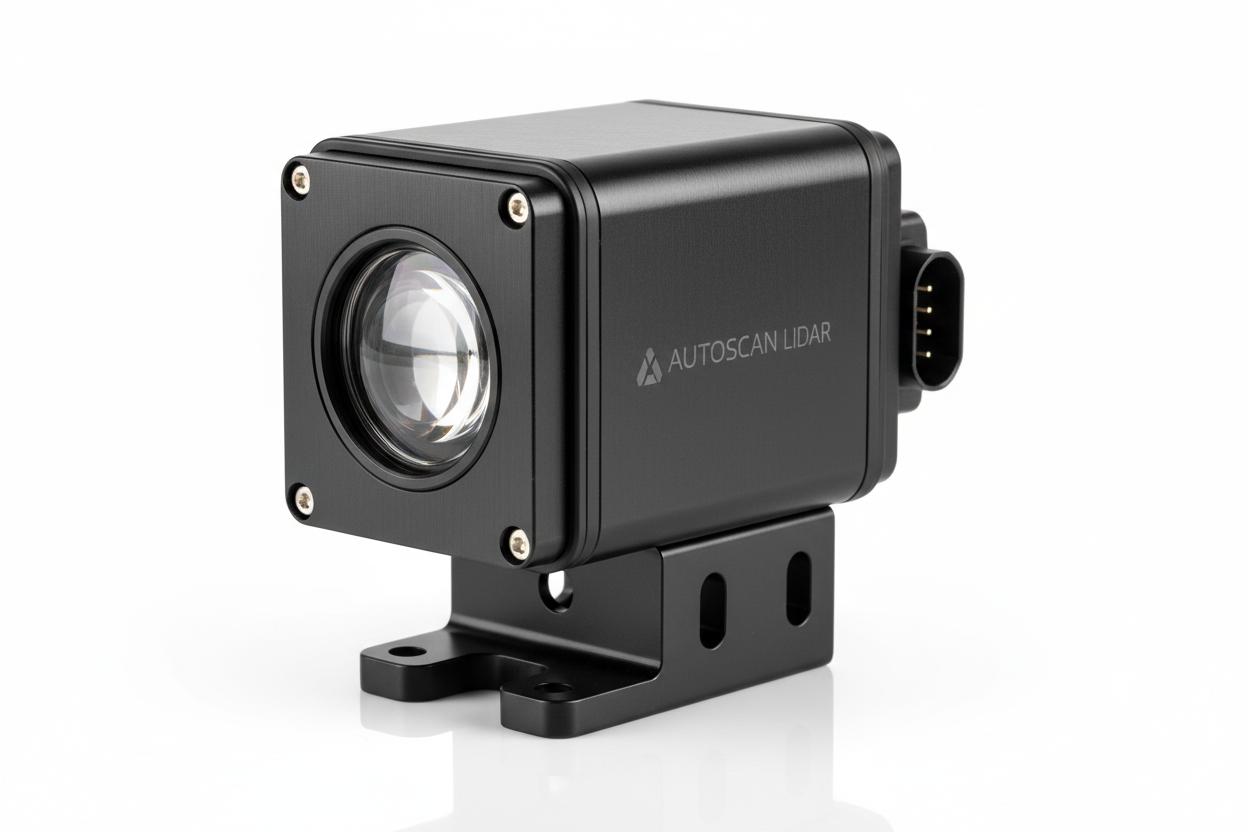
LiDAR sensors generate substantial internal heat from laser diodes, MEMS mirrors, FPGA processors, and photodetector arrays. Operating temperatures affect laser wavelength stability, detector noise floors, optical alignment, and calibration drift. For autonomous vehicles, a LiDAR sensor mounted on a roof or grille experiences extreme thermal environments – under-hood soak temperatures exceeding 85°C, solar loading on black housings exceeding 80°C surface temperature, and sub-zero cold starts requiring rapid warm-up. The enclosure must simultaneously manage thermal conduction, prevent condensation on optical windows, and maintain IP6K9K sealing against pressure washers and dust.
Reynolds & Bauhm's LiDAR enclosure CFD models resolve the coupled thermal, airflow, and contamination challenges. We simulate natural convection inside sealed cavities, conduction through mounting brackets to vehicle bodywork, solar loading and radiative cooling of external surfaces, and transient response during vehicle startup and parking. Results inform heat sink design, window heater sizing, wiper integration, and material selection for thermal expansion matching between optics and housings.
360° spinning and solid-state LiDAR on vehicle roofs. Model solar heating, rain cooling, and under-body thermal soak during parking. Ensure FPGAs and lasers remain within ±5°C of setpoint.
Lightweight, compact enclosures with limited heat sink mass. Model propeller downwash airflow, altitude effects on convection, and battery heat coupling in confined drone payloads.
Vehicle-mounted survey LiDAR for road and rail mapping. Model vibration-induced convection enhancement, dust ingress paths, and seasonal ambient variation across climates.
AGV and robot-mounted LiDAR in factories and warehouses. Model intermittent duty cycles, charging dock thermal accumulation, and collision-impact structural integrity.
Vacuum-environment thermal design where convection is absent. Model radiative cooling to deep space, solar panel back-face heating, and orbital eclipse transient temperature swings.
Ruggedised LiDAR for survey and safety monitoring in dusty, high-vibration environments. Model filter clogging impact on cooling airflow and sealed passive thermal management.
| Laser Diode Tcase Max | 65 – 85°C (wavelength stability dependent) |
| FPGA Junction Max | 100 – 125°C (Xilinx/Intel device dependent) |
| APD Detector Range | -20°C to +60°C (gain vs temperature) |
| Window Heater Power | 10 – 50W (de-icing and anti-fog) |
| Sealing Rating | IP6K9K (automotive high-pressure wash) |
| Shock & Vibration | ISO 16750-3 (50g shock, 5-2000 Hz random) |
| Operating Ambient | -40°C to +85°C (automotive Grade 1) |
| Storage Temperature | -40°C to +105°C (extended thermal soak) |
A Tier-1 automotive supplier developing a solid-state MEMS LiDAR for SAE Level 3 autonomous driving experienced thermal drift that degraded point-cloud accuracy during extended highway operation. The LiDAR housing was a sealed aluminium IP6K9K enclosure with natural convection cooling and a resistive window heater for cold-start de-icing. Initial testing showed laser wavelength drift of 0.12 nm/°C above 70°C case temperature, causing range error exceeding 5 cm at 200 m – outside the 3 cm specification. Reynolds & Bauhm performed conjugate heat transfer CFD of the complete LiDAR assembly including MEMS mirror, laser diode on copper submount, FPGA on BGA heatsink, and photodetector array. The model identified that the laser diode submount was thermally isolated from the main housing by a silicone gasket compression seal, creating a 18°C temperature rise across the interface. We recommended replacing the silicone gasket with a conductive graphite TIM, adding a vapour chamber spreader from the laser to the housing base, and relocating the FPGA to the opposite side of the housing to eliminate cross-heating. Post-modification CFD predicted laser case temperature of 64°C at 40°C ambient with 800 W/m² solar load – a 21°C improvement. Track testing over 6 hours at 35°C ambient confirmed wavelength drift within ±2 cm error, meeting the Level 3 specification with margin. The design was approved for production with a forecast volume of 250,000 units annually.
Point-cloud error reduced from 5 cm to <2 cm at 200 m range.
Case temperature reduced from 85°C to 64°C under full solar load.
Design approved for 250,000 units annually across multiple OEM programmes.
Housing, window, MEMS mirror, laser submount, FPGA heatsink, and detector array imported with optical bench mounting constraints.
Laser diode efficiency and waste heat, FPGA dynamic power, motor driver losses, and window heater duty cycle quantified.
Natural convection inside sealed enclosures with buoyancy-driven flow patterns. Conduction paths through mounting feet and brackets to vehicle body.
Solar absorptivity of housing paint and window coating. Wind-driven convection at highway speeds and stationary soak conditions.
Window inner surface temperature prediction during cold start. Heater sizing and control strategy to prevent fogging and ice without overheating.
Component temperature table, window uniformity map, transient warm-up time, and correlation plan for track testing and climatic chamber validation.
Road vehicles environmental testing for electrical and electronic equipment – thermal, mechanical, and chemical durability for automotive LiDAR.
Ingress protection against dust and high-pressure, high-temperature wash jets. Critical for automotive under-body and roof-mounted sensors.
Change of temperature testing (thermal shock and thermal cycling) for electronic enclosures across the automotive ambient range.
Environmental conditions and test procedures for airborne equipment – temperature, altitude, and vibration for UAV and aerial LiDAR applications.
Functional safety for automotive electrical/electronic systems. Thermal management supports ASIL-rated reliability targets for autonomous driving.
CFD enclosure thermal simulation predicts internal temperatures, identifies hotspots, and validates cooling strategies before prototype fabrication. Speak with our thermal engineers to safeguard your electronics.
Our expertise spans multiple industries with sector-specific water treatment solutions.